Category: News

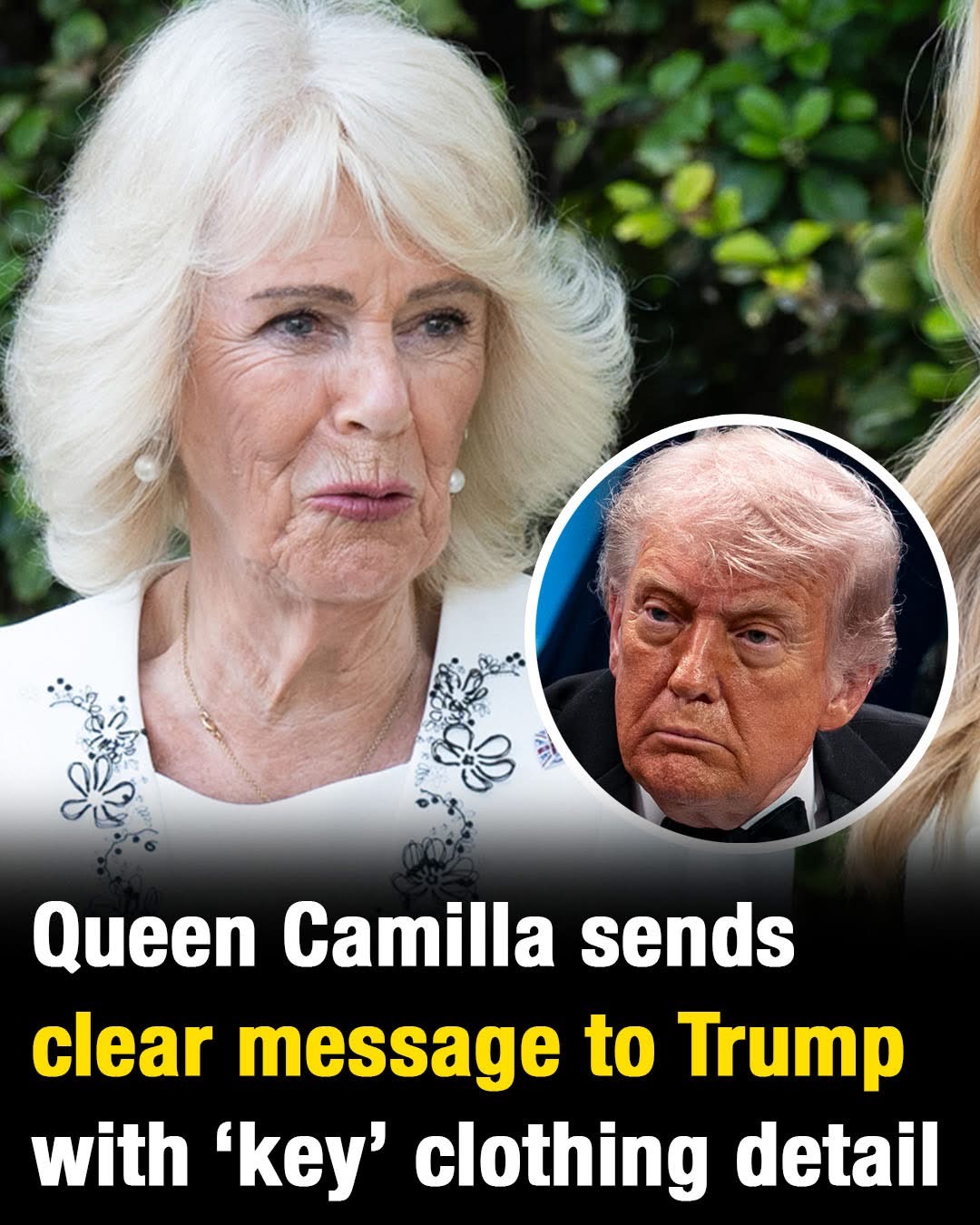
  • Queen Camilla sends clear message to Trump with ‘key’ clothing detail

    Queen Camilla sends clear message to Trump with ‘key’ clothing detail

    King Charles III and Queen Camilla arrived in the United States on Monday for a four-day state visit, stepping into a moment where relations between the U.S. and the U.K. have grown noticeably strained.
    In the past, Donald Trump has openly expressed admiration for the British Royal Family During a visit to the U.K. in September alongside Melania Trump, he spoke warmly about the long-standing alliance between the two nations.
    Family
    “The word ‘special’ does not begin to do it justice,” Trump said at the time. “We’re like two notes in one chord, or two verses of the same poem – each beautiful on its own, but really meant to be played together.”

    Since then, however, the tone has shifted. Tensions have escalated, particularly in relation to disagreements over international policy, including the conflict involving Iran. Trump has publicly criticized Keir Starmer, calling him a “loser” for refusing to support U.S. military action and remarking that he was “no Churchill.” He also drew comparisons to Neville Chamberlain, suggesting weakness in leadership.
    The rhetoric extended further, with Trump claiming Britain was no longer “the Rolls-Royce of allies” and dismissing elements of its military capability. When asked more recently about the state of relations, he responded bluntly: “Not good, not good at all.”
    Against that backdrop, the royal visit carries diplomatic weight. Efforts to repair and stabilize the relationship have long relied on symbolism and dialogue, and this visit appears to follow that tradition. According to reports from BBC, King Charles is expected to address Congress, emphasizing unity and shared history.

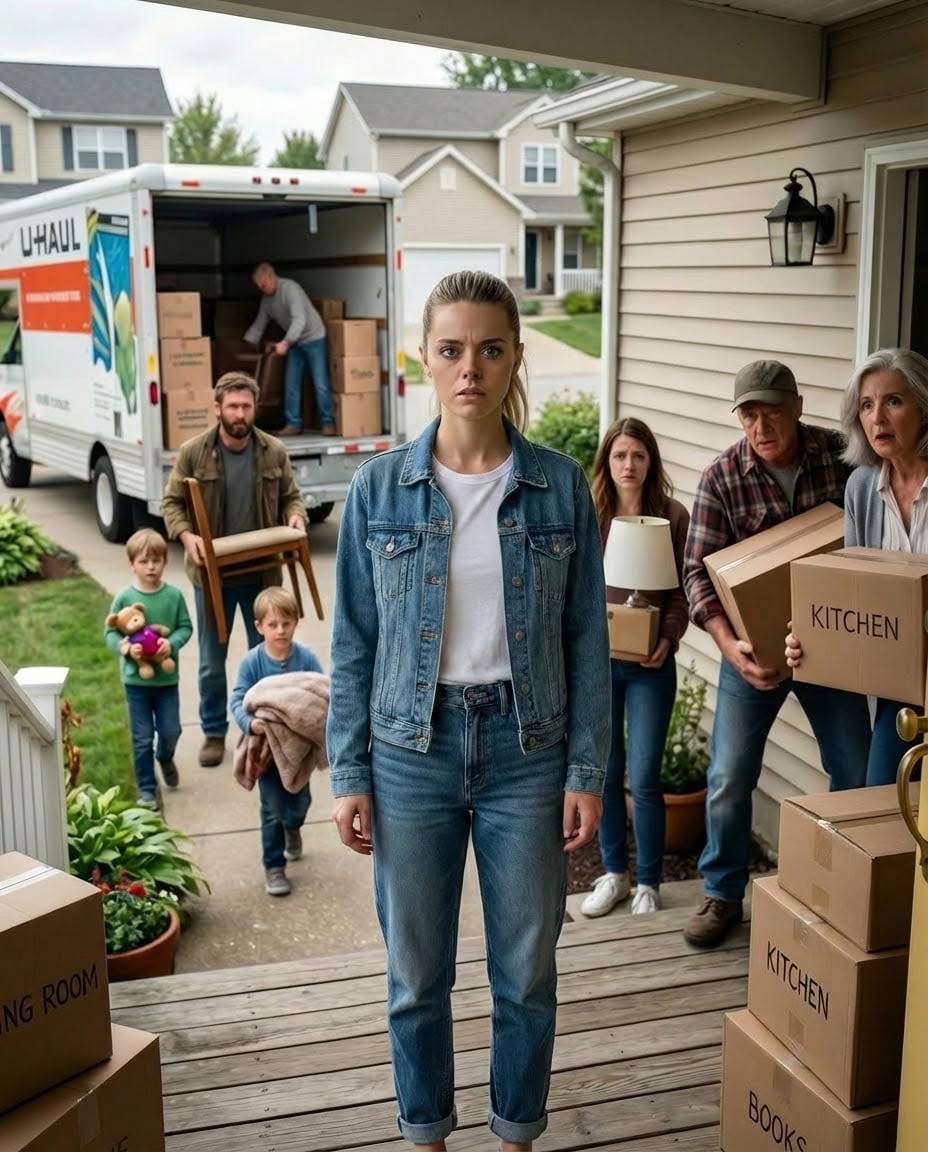
  • I got a call from my neighbor about a moving truck at my house while I was at work. I came home to find my parents and sister moving his family into my house without permission. ‘You don’t need that.’ I smiled and didn’t say a word, but my one call changed everything.

    I got a call from my neighbor about a moving truck at my house while I was at work. I came home to find my parents and sister moving his family into my house without permission. ‘You don’t need that.’ I smiled and didn’t say a word, but my one call changed everything.

    When my neighbor Darlene called me at 2:17 p.m., I almost ignored it.

    I was in the middle of a brutal shift at the dental office, and Darlene never called unless something was wrong. The second I answered, I knew it was one of those calls.

    “Maris,” she said carefully, “there’s a moving truck in your driveway. Two men are carrying furniture into your house.”
    When my neighbor Darlene called me at 2:17 p.m., I almost ignored it.

    I was in the middle of a brutal shift at the dental office, and Darlene never called unless something was wrong. The second I answered, I knew it was one of those calls.

    “Maris,” she said carefully, “there’s a moving truck in your driveway. Two men are carrying furniture into your house.”
    I went still. “What?”

    “And your parents are there,” she added. “Your sister too. They have keys.”

    For one second, my mind tried to make it reasonable. Maybe there had been a leak. A break-in. Some kind of emergency.

  • Grandfather Bram Faked Our Complete Poverty To Hide A Life Changing Secret

    Grandfather Bram Faked Our Complete Poverty To Hide A Life Changing Secret

    Two weeks after my grandfather Bram was laid to rest, a phone call from a stranger completely shattered everything I believed about my childhood. I was only six years old when I lost my parents in a tragic accident, leaving me terrified of being sent away to foster care. My sixty five year old grandfather…

  • Mysterious Vintage Photo Sparks Online Debate Over ‘Creepy’ Hidden Details

    A viral video circulating on social media has captured widespread attention after showcasing a black-and-white photograph believed to date back several decades. The image, featuring two individuals standing outdoors, has become the center of intense speculation due to what viewers describe as unusual and unsettling details.

    In the video, a narrator presents the photograph as part of a “creepy history” series, suggesting that there may be something strange hidden within the image. Some viewers claim to notice an unclear figure or shadowy presence in the background, leading to theories ranging from photographic anomalies to paranormal explanations.

    However, experts often caution that such images can be misleading. Old photographs frequently contain visual distortions caused by camera limitations, lighting conditions, or damage over time. These factors can easily create illusions that appear mysterious or unnatural.

    Despite the lack of confirmed evidence supporting supernatural claims, the video has quickly gained traction online, attracting thousands of reactions, comments, and shares. The debate continues as viewers attempt to interpret the true story behind the photograph.

    For now, the image remains an intriguing example of how historical visuals can spark modern curiosity—and how easily mystery can emerge from the past.

  • Abandoned Arctic Ship Reportedly Sailed Alone for Years

    A mysterious maritime story from the 1930s has resurfaced, capturing attention online. The vessel, identified as the SS Baychimo, was a trading ship that became trapped in Arctic ice during harsh weather conditions.

    After repeated attempts to free it failed, the crew eventually abandoned the ship, believing it would be crushed by the ice and lost at sea. However, in an unexpected turn of events, the vessel reportedly broke free on its own.

    Over the following years, the ship was allegedly spotted multiple times drifting across the icy waters without any crew on board. These sightings led to its reputation as one of history’s most famous “ghost ships.”

    While some reports are based on real observations, others are believed to be exaggerated over time, contributing to the legend that continues to circulate today.

  • Shocking List Reveals the Most Painful Experiences the Human Body Can Endure

    A viral social media video is drawing attention after highlighting what are claimed to be some of the most intense pains a human can experience. In the clip, the speaker introduces a series titled “Worst pains the human body can experience,” sparking widespread curiosity and debate online.

    Among the conditions often mentioned in such lists are kidney stones, severe burns, nerve damage, and childbirth—each known for causing extreme physical distress. Medical experts note that while pain is highly subjective and varies from person to person, these conditions are frequently ranked among the most severe due to their intensity and impact on the body.

    The video, part of a growing trend of educational-style content on platforms like Instagram Reels, blends entertainment with general health awareness. However, professionals caution viewers to treat such content as informative rather than definitive medical guidance.

    The discussion continues online as viewers share personal experiences and opinions, turning the topic into a broader conversation about how pain is perceived and managed.

  • For 21 years, I left my daughter’s room

    For 21 years, I left my daughter’s room

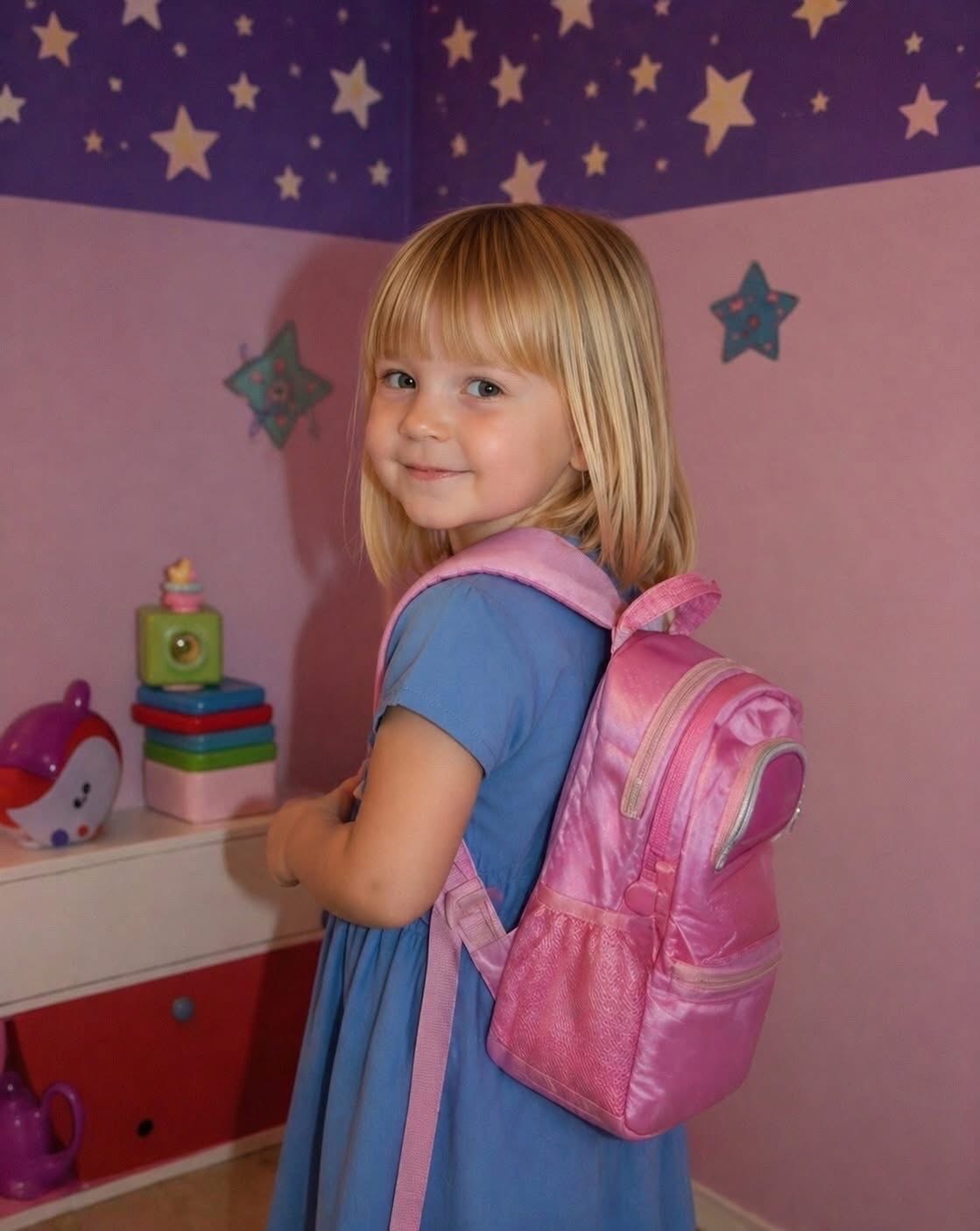
    For 21 years, I left my daughter’s room untouched. Lavender paint on the walls, glow-in-the-dark stars on the ceiling, tiny sneakers lined up by the door. If I opened the closet, the faint scent of strawberry shampoo still lingered.
    My sister said it wasn’t healthy. “Laura, you can’t freeze time,” she told me, lingering at the doorway as if crossing the threshold might break something. I answered, “You don’t get to redecorate my grief,” and she walked away with tears in her eyes.

    Catherine vanished from her kindergarten playground at four years old. She wore a yellow dress dotted with daisies and two mismatched barrettes because “princesses mix colors.” That morning she had asked, “Curly noodles tonight, Mommy?”

    Frank hoisted her backpack with a grin. “Spaghetti with curlies. Deal.” I called after them, “Your red mitten!” and Catherine held it up through the car window. “I got it!”

    It took ten minutes. One moment she stood in line for juice boxes; the next, she had disappeared. When the school phoned, I was at the sink rinsing a mug, thinking about nothing that mattered.

    “Mrs. Holloway? We can’t find Catherine,” Ms. Dillon said, her voice trembling. “What do you mean you can’t find her?” I demanded. “I turned my back for a second,” she said quickly, and I was already snatching my keys.

    The playground looked painfully ordinary. Children were still shouting, the swing chains still squealed, and the sun shone without mercy. Frank stood by the slide, rigid, staring at the mulch.

    I seized his arm. “Where is she?” His lips parted and closed before he managed sound. “I don’t know,” he whispered, his eyes turning glassy.

    Her pink backpack lay beside the slide, tipped onto its side. One strap twisted awkwardly, and her favorite red mitten rested in the wood chips, bright as a warning flare. I pressed it to my face and tasted dirt, soap, and her.

    An officer knelt near the backpack. “Any custody issues? Anyone who might take her?” he asked. “She’s four,” I snapped. “Her biggest problem is nap time.”

    There were no cameras back then, no clear footage to rewind. Dogs traced the edge of the trees; volunteers searched block after block. Every passing siren jolted my heart, and every silent hour dragged it down.

    Detectives sat at our dining table and asked questions that cut deep. “Anyone close to the family?” one asked, pen ready. Frank kept his hands clasped tight, knuckles drained of color. “I dropped her off,” he murmured. “She was smiling.”

    The detective lowered his tone. “Sometimes it’s someone you know.” Frank flinched—barely—but I noticed. After they left, I asked, “What was that?” Frank stared at the floor. “Because I failed her,” he said. “That’s all.”

    Three months later, Frank collapsed in our kitchen. He had been repairing the cabinet hinge Catherine used to swing from and asked me to pass the screwdriver. His grip loosened, his knees struck the tile, and the noise split through me.

    “Frank! Look at me!” I screamed, slapping his face, begging his eyes to lock onto mine. In the ER, a doctor said, “Stress cardiomyopathy,” as casually as a forecast. A nurse murmured, “Broken heart syndrome,” and I despised her for giving it a gentle name.

    At the funeral, people told me, “You’re so strong,” and I nodded on reflex. Later, alone in the car, I pounded the steering wheel until my wrists throbbed. I had buried my husband while my daughter was still missing, and my body didn’t know which grief to hold first.

    Time moved forward anyway—steady and indifferent. I worked, paid bills, smiled at strangers, then wept under the shower where the water concealed it. Every year on Catherine’s birthday, I bought a pink-frosted cupcake and lit a single candle upstairs.

    I sat in Frank’s rocking chair and whispered, “Come home.” Some nights it sounded like a prayer; others, like a challenge. The room never replied, but I kept speaking.

    Last Thursday would have marked her 25th birthday.

    Twenty-five felt unreal. I followed the ritual, then went downstairs to gather the mail, simply to keep my hands busy.

    A plain white envelope rested on top. No stamp. No return address. Just my name written in tidy handwriting I didn’t recognize. My hands trembled as I tore it open.

    Inside was a photograph of a young woman standing before a brick building. She had my face at that age, but the eyes were Frank’s—dark brown, unmistakable. Behind it was a tightly folded letter.
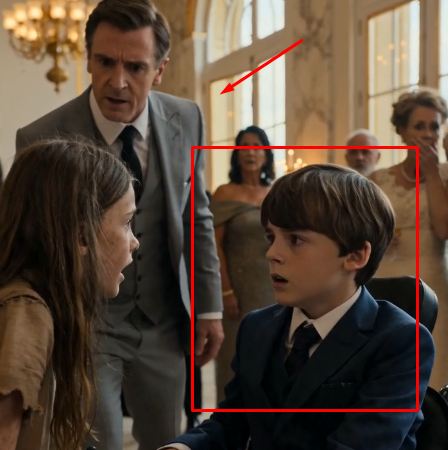
  • 🎬PART 2:She Asked the Boy in the Wheelchair to Dance… Then Said Six Words That Stopped the Room

    🎬PART 2:She Asked the Boy in the Wheelchair to Dance… Then Said Six Words That Stopped the Room

    Some people glanced for a second… then looked away.
    Others acted like he wasn’t there.

    Then the doors opened.

    A young girl in a simple white dress stepped inside.

    No diamonds.
    No makeup.
    Barely anyone noticed her—until she walked straight through the crowd toward the boy.

    Whispers began immediately.

    “Who is she?”
    “What is she doing?”

    She stopped in front of him.

    The boy looked up nervously.

    She smiled and stretched out her hand.

    “Dance with me.”

    A few guests laughed.

    The boy lowered his eyes.

    “I can’t.”

    The girl leaned closer, calm and certain.

    “You can do anything.”

    The room slowly went silent.

    She placed her hand gently on the wheelchair armrest.

    “You will walk.”

    The boy’s breath caught.

    His fingers trembled.

    The guests stared.
    Phones rose into the air.
    Even the musicians stopped playing.

    Then the girl stepped back… and held out both hands.

    “Stand up.”

    The boy gripped the sides of the chair.

    His legs shook.

    The entire ballroom held its breath as he began to rise for the first time in years—

    And at that exact moment… the doors behind them slammed open.

  • 🎬PART 2: “And what are you doing?” he asked,

    🎬PART 2: “And what are you doing?” he asked,

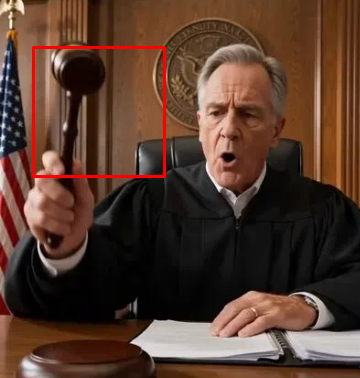
    The courtroom was used to fear, not surprises. Morning light spilled through the tall windows onto polished wooden benches while lawyers shuffled papers and spectators whispered behind their hands. Judge Daniel Carter sat high above them all, confident as always, a man who believed nothing could shake him. Then the gavel slammed. “Order!” he barked. But before the room could settle, small footsteps echoed down the aisle. Every head turned. A little girl in a pink outfit with uneven braids was walking alone toward the center of the courtroom, holding a phone tightly in both hands. Murmurs spread instantly. The judge leaned back with a smirk. “And what are you doing?” he asked, amused. The girl stopped directly below the bench and looked up without fear. “I’m making a call.” Laughter rippled through the room.
    Even a few deputies smiled. Judge Carter chuckled and spread his hands. “In my courtroom?” She nodded. His grin widened. “Go ahead. Call anyone you want.” The girl calmly pressed the screen and lifted the phone onto speaker. Ringing filled the courtroom, strangely loud in the silence that followed. The judge was still smiling… until the call connected. A man’s voice came through the speaker, sharp and immediate. “Daniel? Why is our daughter in court?” The smile vanished from the judge’s face as if it had been torn away. Gasps burst across the room. The bailiff turned slowly toward the bench. Judge Carter rose halfway from his chair, stunned. “What did you say?!” he shouted. The little girl never looked away from him. “You said call anyone.”

    No one moved. Then the voice on the phone spoke again, colder this time. “Tell her the truth. Today.” The judge’s expression collapsed in front of everyone watching. Continue in the comments 👇

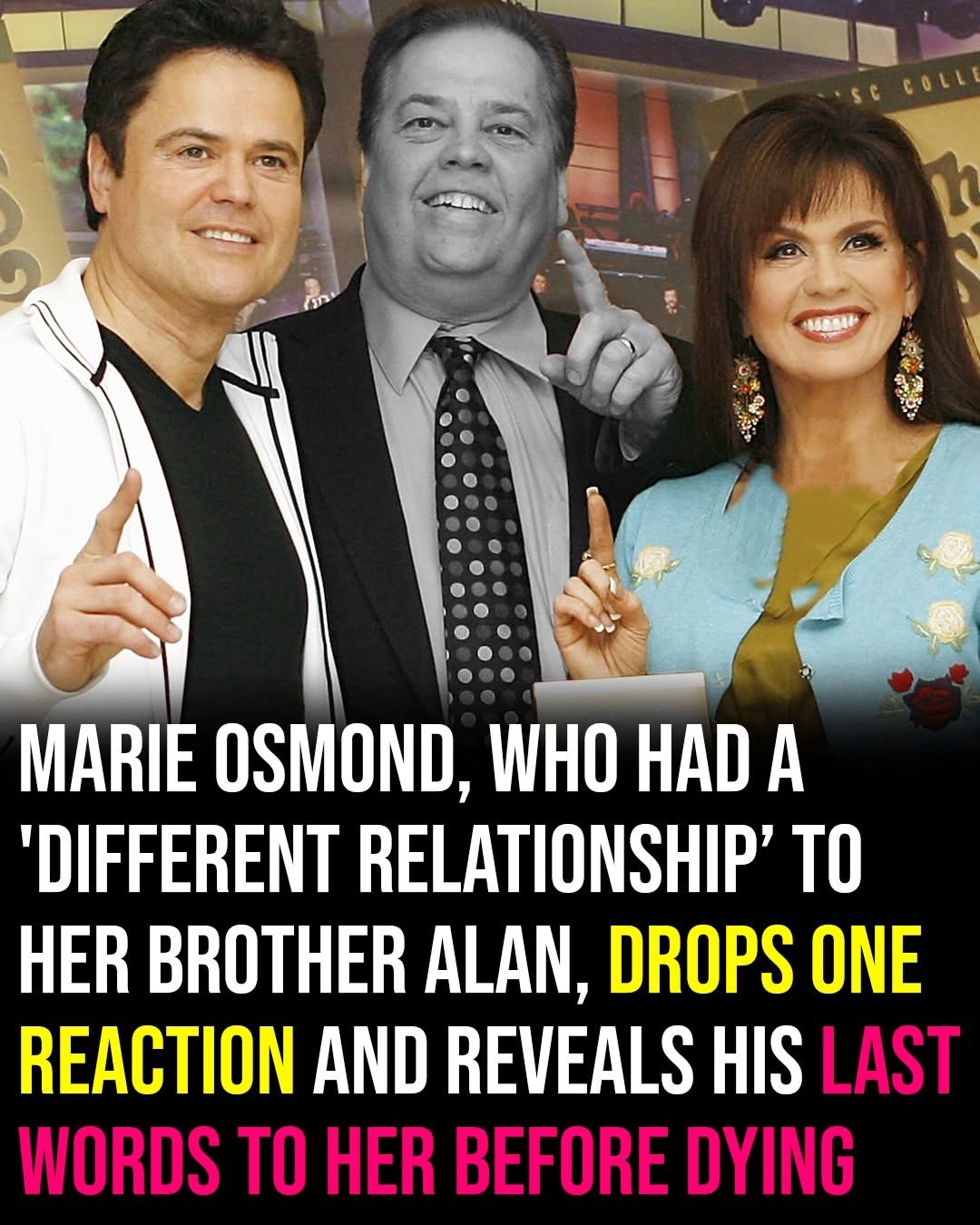
  • Marie Osmond, who had a ‘different relationship to her brother’, reveals his last words to her before dying

    Marie Osmond, who had a ‘different relationship to her brother’, reveals his last words to her before dying

    There’s something quietly powerful in the way the Osmond family has been speaking about this loss—because the words carry more than grief. They carry the weight of someone who was never just part of the story, but the one helping hold it together.
    Alan Osmond, the eldest brother and a founding force behind The Osmonds, passed away on April 20 at the age of 76, leaving behind not only a legacy in music but a family that clearly leaned on him in ways the public rarely saw.

    He is survived by his wife of more than five decades, Suzanne, their eight sons, and an extended family that now includes 30 grandchildren and five great-grandchildren—a reflection of a life rooted as much in family as it was in fame. Long before the spotlight found the Osmonds, Alan was shaping the path forward. As the oldest sibling, he helped guide the group’s direction, both creatively and personally. He co-wrote major hits like “One Bad Apple” and “Crazy Horses,” songs that helped define the group’s sound and cement their place in pop culture.

    But behind the success, there was always something quieter about him.

    When he was diagnosed with multiple sclerosis decades ago, he gradually stepped away from performing. Yet those close to him suggest he never stepped away from responsibility. If anything, his role simply shifted—from being on stage to being the steady presence behind it.

    His own words reflected that resilience: he acknowledged the illness, but refused to let it define him.

    That sense of quiet strength comes through most clearly in the tributes shared by his siblings.

    Donny Osmond spoke with deep gratitude, describing Alan as someone who carried more than his share of the burden so others could succeed. It wasn’t framed as sacrifice in a dramatic sense, but as something constant and dependable—the kind of support that shapes a family over time.