Blog

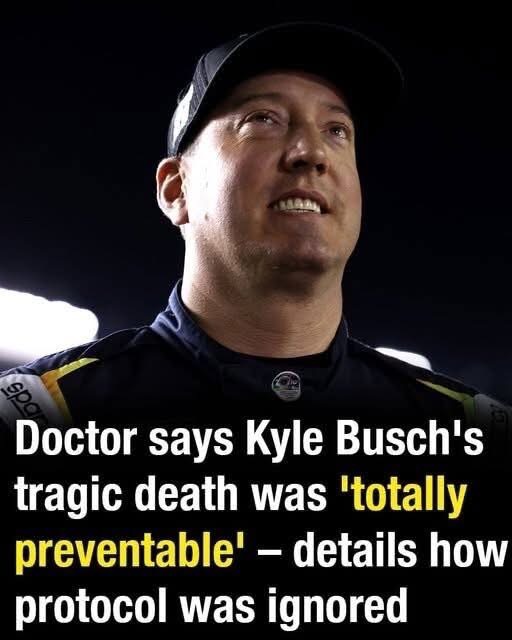
  • Doctor says Kyle Busch’s tragic death was ‘totally preventable’ – details how protocol was ignored

    Doctor says Kyle Busch’s tragic death was ‘totally preventable’ – details how protocol was ignored

    finality. Now, a top sports medicine expert has come forward with a chilling assessment: the death of a racing icon was entirely preventable. The doctor points to a culture of silence and a dangerous reliance on quick fixes that allowed a manageable illness to spiral into a fatal catastrophe.
    For years, Busch was the embodiment of toughness. In the high-octane world of NASCAR, showing weakness is often seen as a liability, and Busch lived by that creed. When the symptoms began—a persistent cough, fatigue, and a general malaise—he dismissed them as a stubborn sinus infection. He pushed through the pain, convinced that his body would eventually yield to his sheer force of will. He wasn’t just racing against his competitors; he was racing against his own biology, treating his body like a machine that could be patched up with a temporary fix.

    Medical experts now suggest that what Busch dismissed as a minor ailment was actually the onset of a severe respiratory infection that silently, yet aggressively, transitioned into pneumonia. By the time the severity of the situation became impossible to ignore, the damage to his system was already catastrophic. The tragedy lies in the missed opportunities—the moments where a simple medical protocol, if followed, could have saved his life.

    The investigation into his final days reveals a heartbreaking pattern of ignored warnings. Instead of seeking comprehensive diagnostic care, the focus remained on getting him back on the track. This, doctors argue, is a systemic failure in elite sports where the athlete’s health is often secondary to the schedule. A healthy, elite 41-year-old man should not be lost to a treatable infection in 2026. The fact that it happened serves as a grim indictment of the “tough it out” mentality that permeates professional sports.
  • I Took a Job Driving for a Wealthy Widow to Support My Family — Then One Unexpected Note Changed Everything

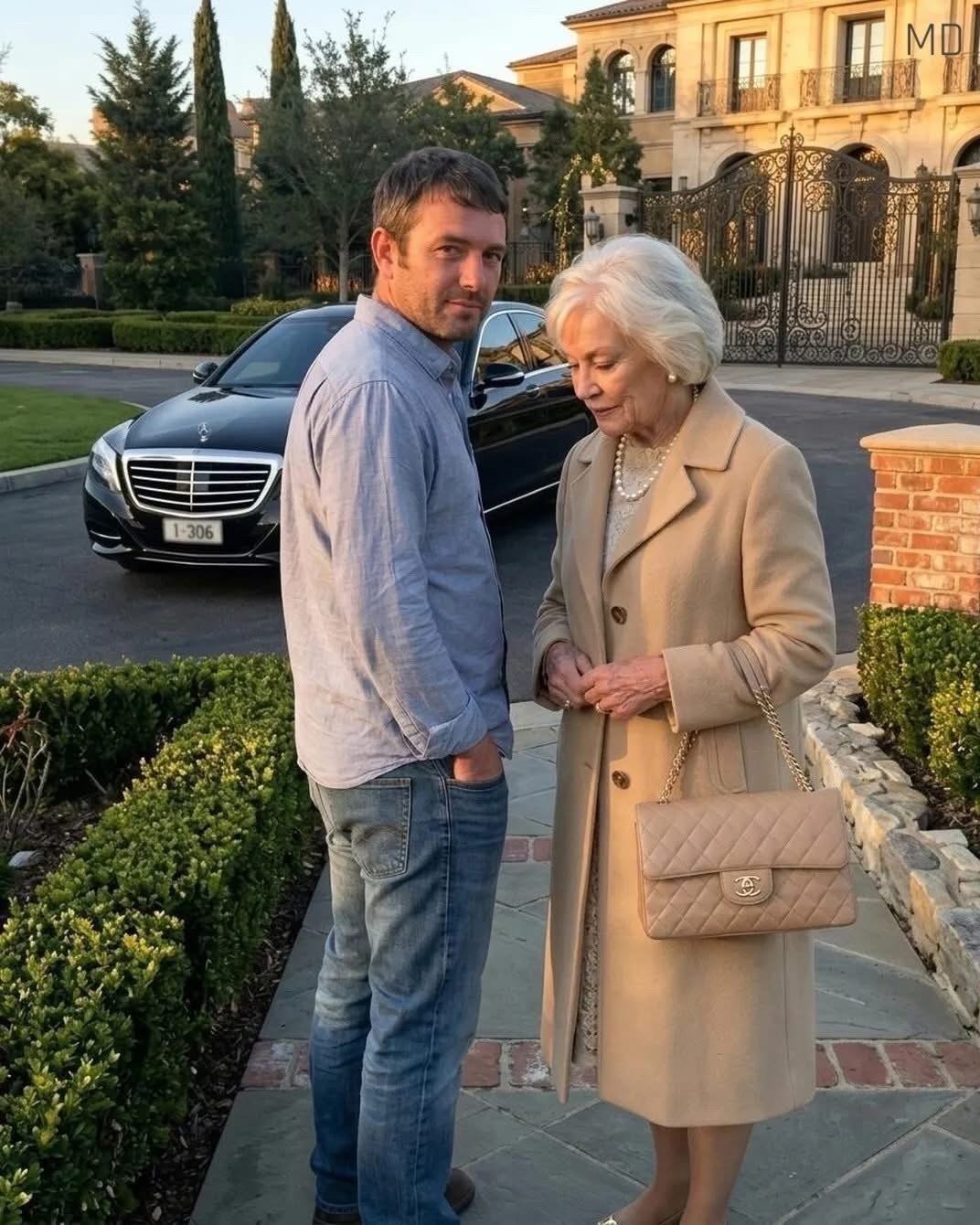
    I Took a Job Driving for a Wealthy Widow to Support My Family — Then One Unexpected Note Changed Everything

    Stan was a hardworking single father doing everything he could to provide for his three young children. With bills piling up and expenses growing faster than his paycheck, he accepted a job as a driver for Mrs. Whitmore, a wealthy widow in her seventies. At first, he expected her to be distant and formal, but she surprised him with kindness and genuine interest in his life. Over time, their daily drives turned into meaningful conversations. She asked about his children, listened to his struggles, and often shared stories about her late husband and the loneliness that filled her large home. Despite their different worlds, a quiet friendship developed between them.
    As the weeks passed, Stan noticed that Mrs. Whitmore’s adult children seemed far more interested in her wealth than her well-being. She often spoke carefully when mentioning them, especially her oldest son, Bradley, who constantly pressured her about legal and financial matters. One day, after Stan returned a wallet she had accidentally left behind, untouched and with all its contents intact, Mrs. Whitmore seemed to see him in a new light. She recognized his honesty and character. However, everything changed one morning when all of her children gathered at the estate and Mrs. Whitmore suddenly accused Stan of taking a valuable diamond brooch. The accusation left him stunned and heartbroken, especially because it came from someone he had trusted.

  • My Sister Moved Her In-Laws Into the Home I Worked Years to Buy — Then Claimed It Was Hers

    My Sister Moved Her In-Laws Into the Home I Worked Years to Buy — Then Claimed It Was Hers

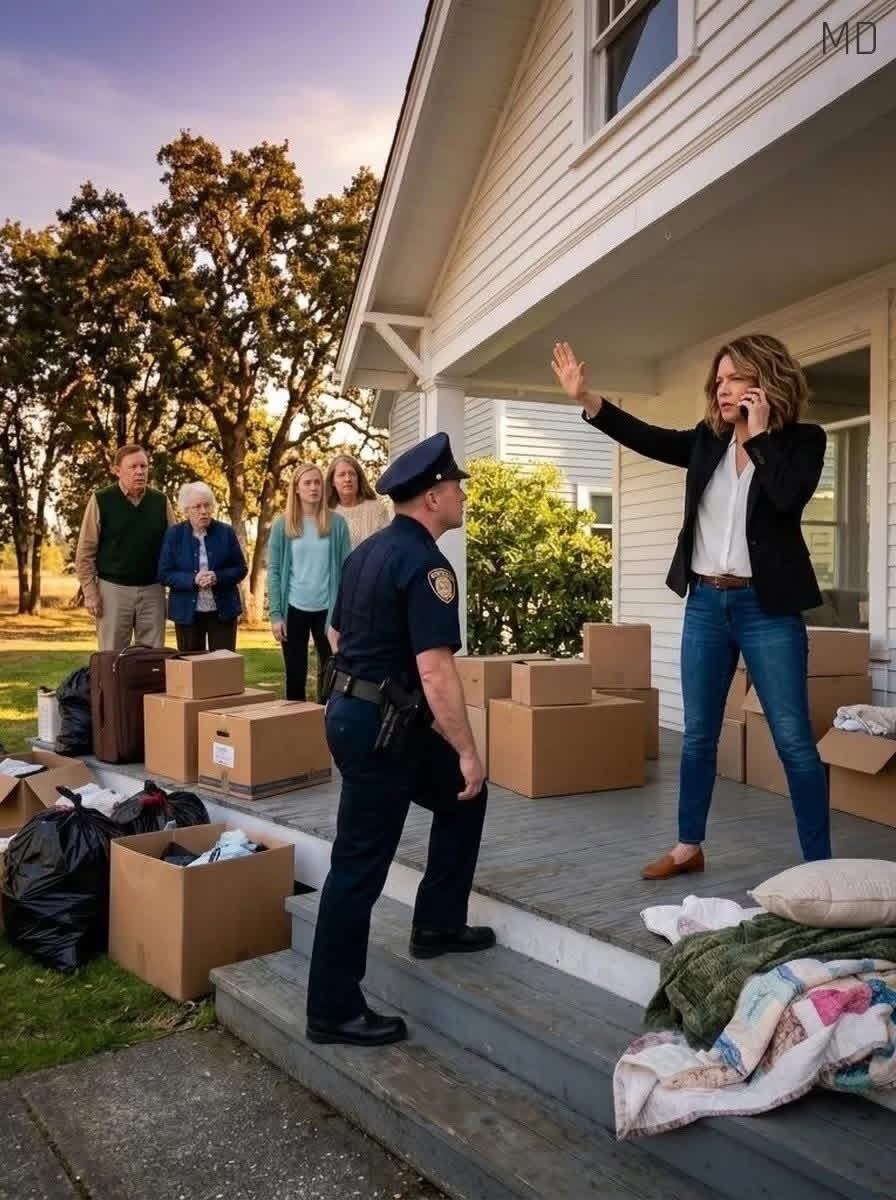
    When Amanda Blake returned from a three-day business trip, she expected the quiet comfort of the home she had spent seven years working to buy. Instead, she found a strange minivan in her driveway, lawn chairs on her porch, and unfamiliar voices coming from her living room. Inside, an older couple she had never met was watching television, boxes covered her hardwood floors, and her personal photos had been moved aside. Then her sister Melissa walked out of the kitchen wearing Amanda’s cardigan and holding her mug, acting as if Amanda was the visitor. Before Amanda could understand what was happening, her mother appeared and explained that Melissa “needed stability” and that her in-laws needed a place to stay. Amanda was stunned. This was not a shared family home. Her name was on the deed, the mortgage, and every bill. But Melissa claimed their mother had told everyone the house was “basically family property.” Then Amanda’s mother made the request that changed everything: she told Amanda to move out for a while so Melissa could be happy.

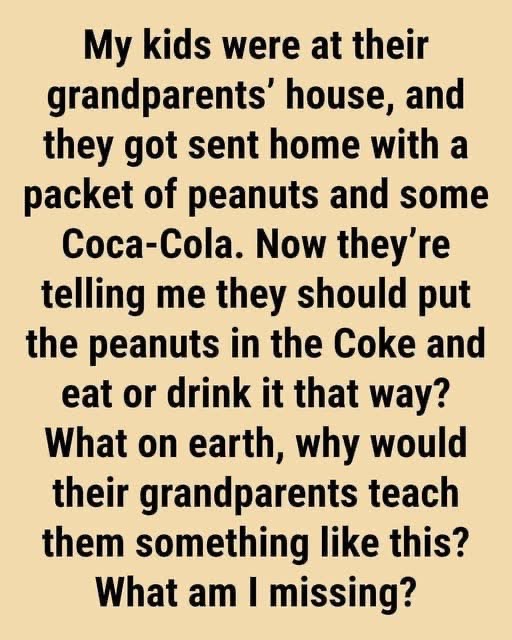
  • The Glass Bottle Secret, Why Thousands Of People Are Putting Peanuts In Their Coke And The Chillingly Practical Reason Behind This 100-Year-Old Southern Tradition

    The Glass Bottle Secret, Why Thousands Of People Are Putting Peanuts In Their Coke And The Chillingly Practical Reason Behind This 100-Year-Old Southern Tradition

    It began as pure practicality. In the early 1900s, Southern workers with grease-covered hands and no time for breaks needed something they could eat without touching. A glass bottle of cola and a small bag of salted peanuts became the perfect answer: open, sip, pour, and keep working. The peanuts floated in the fizz, turning one cheap purchase into a filling, portable snack.
    Over time, that quick fix turned into memory. For many Southerners, peanuts in Coke isn’t a stunt but a sensory time machine: gas stations on hot highways, country stores with creaky floors, grandparents handing over a cold bottle and a crinkly bag. The sweet-salty mix, the clink of peanuts against glass, the rush of carbonation softening each bite—these details keep the tradition alive. To outsiders it might look bizarre; to insiders it tastes like home.

  • US and Iran negotiators reach ‘tentative’ agreement to extend cease-fire — and open nuke talks

    US and Iran negotiators reach ‘tentative’ agreement to extend cease-fire — and open nuke talks

    US and Iranian negotiators have reached a potential agreement to reopen the Strait of Hormuz and begin nuclear talks, the White House confirmed Thursday — though President Trump has not yet signed off on the plan.

    If approved, the deal would see the US drop its blockade on Iranian ports in exchange for a return to “unrestricted” shipping through the Strait of Hormuz, according to the White House. It would also begin a 60-day period for the US and Iran to begin negotiating on Tehran’s nuclear issues.

    “This administration — President Trump — has done something that no other administration is able to do: we have gotten the Iranians to talk about their nuclear program, and to perhaps commit to not having one,” Treasury Secretary Scott Bessent said Thursday on the emerging deal. “That has never happened before; it had been off the table.”

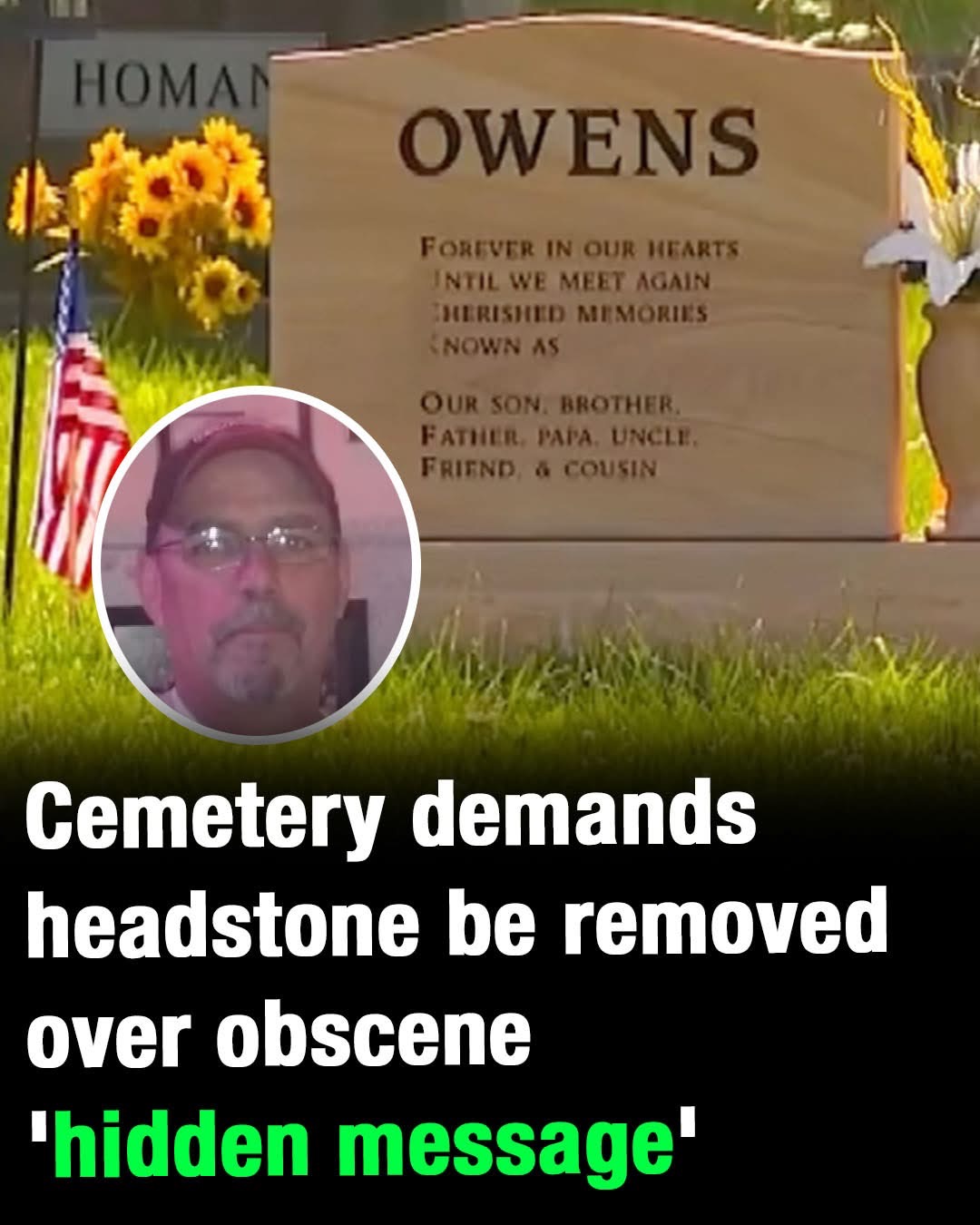
  • Cemetery is demanding headstone be removed over obscene ‘hidden message

    Cemetery is demanding headstone be removed over obscene ‘hidden message

    When Steven Paul Owens’ family chose the acrostic phrase for his headstone, they thought they were capturing him perfectly: the dry wit, the rough-edged tenderness, the way “f**k off” from him meant you were truly loved. To them, the hidden message wasn’t vandalism of a sacred place, but a final inside joke with the man they’d lost. It was grief wrapped in gallows humor, carved in stone.
    For the cemetery trustees, though, that same joke felt like a line being crossed in a place meant for quiet sorrow and shared space. They worried about children learning the secret, about future families rejecting nearby plots, about a cemetery slowly turning into a battleground of one‑upmanship and shock value. Years later, the stone still stands, and so does the argument: are graves purely private memorials, or public monuments that must obey a common code? In Warren-Powers Cemetery, that question remains painfully, stubbornly unanswered.

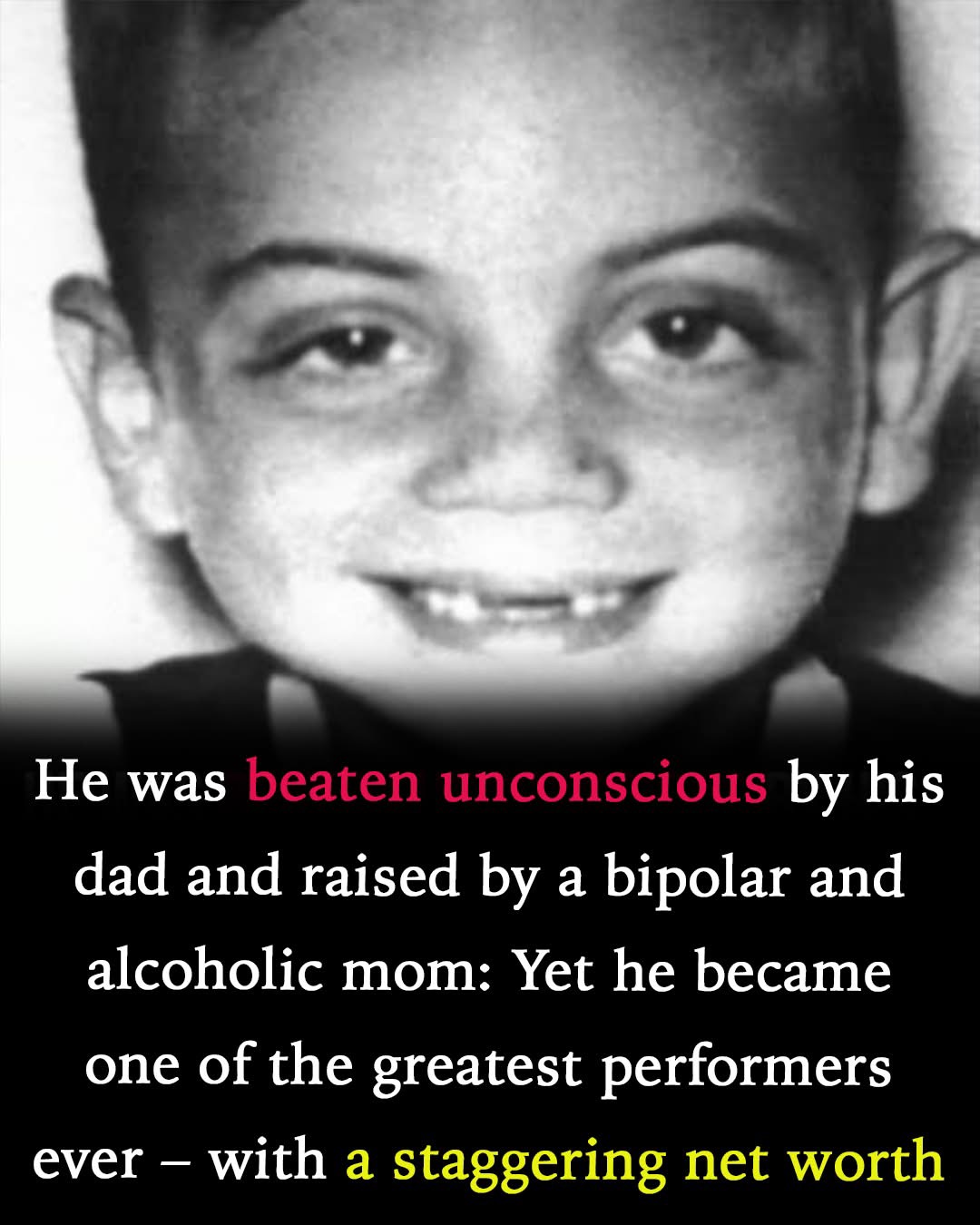
  • Inside the life of a global superstar: Love, loss, and the fight to keep performing

    Inside the life of a global superstar: Love, loss, and the fight to keep performing

    Behind the sold-out arenas and classic melodies lies a boy who learned early that love could hurt and survival meant adapting. Billy Joel watched his father flee Nazi Germany, then later flee their home. He endured a piano lesson that ended with a blow so hard it knocked him unconscious, and a mother whose love was fierce but clouded by loneliness, alcohol, and untreated mental illness. Poverty, shame, and chaos became the backdrop to his earliest songs.
    Yet that same mother scraped together money for lessons, insisting his gift mattered. Through depression, addiction, betrayal, and now a frightening brain disorder, Joel has refused to surrender the music that saved him. Supported by his daughters, ex-wives, and millions of fans, he works through therapy, weight loss, and recovery, determined not to let NPH write his final verse. For Billy Joel, every comeback is another chorus in a life-long fight to be heard.

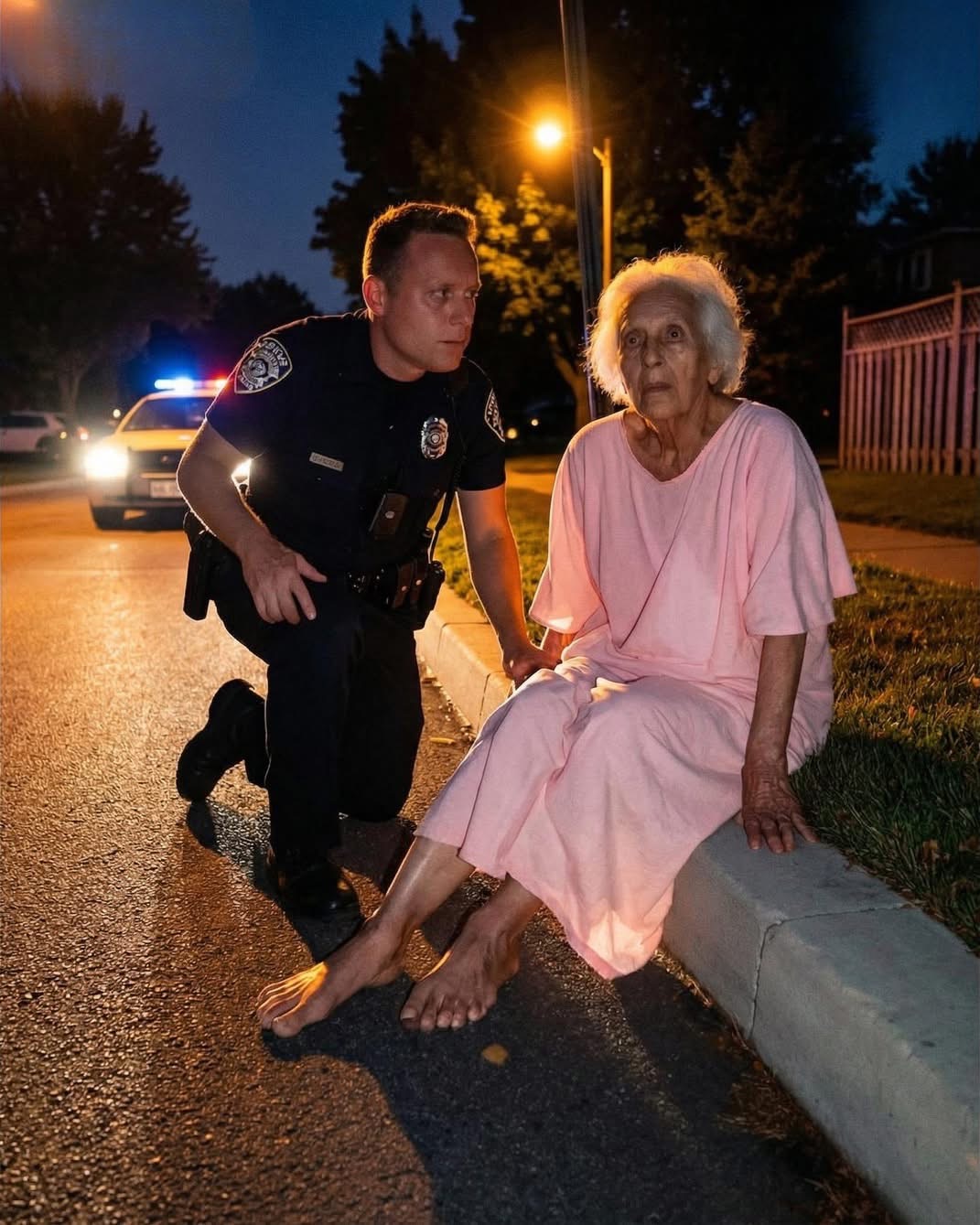
  • The Welfare Check of Fate: How a Midnight Call Tied a Broken Story Together

    The Welfare Check of Fate: How a Midnight Call Tied a Broken Story Together

    For a police officer with over a decade of experience, a 3 a.m. welfare check usually results in a routine report, but the encounter under a flickering streetlamp proved to be the exception that reshaped a lifetime. Instead of a suspicious person, the officer found a terrified elderly woman in a thin nightgown, shivering and whispering the name “Cal” with a raw, haunting grief. By turning off the cruiser lights and wrapping his jacket around her, the officer provided a sanctuary of warmth, unaware that this small act of compassion was the first step toward uncovering his own origins. The woman’s profound fear seemed less like standard confusion and more like a visceral reaction to a past trauma she was reliving in the cold morning air.
    As they waited for help, the woman’s fragmented speech painted a portrait of a house long gone and a baby she had failed to keep safe—a narrative that resonated deeply with the officer’s own identity as an adopted child with sealed records. When her daughter arrived to collect her, the woman offered a moment of startling clarity, whispering “Don’t leave him” directly to the officer before departing. This encounter haunted him long after his shift ended, leaving him with the unsettling feeling that he had brushed against a “loose thread” of his own history. The emotional weight of her words suggested a bridge between his professional duty and a personal quest for the unanswered questions of his birth.
    The clinical reality of the situation surfaced later that morning when the woman’s daughter arrived at the officer’s home with a shoebox of misplaced hospital records and unsent letters. The documents listed a baby named Caleb—the officer’s biological name and a mother whose identity matched the woman found under the streetlamp. Rather than surrendering to immediate speculation, the family made the disciplined decision to pursue DNA testing to provide objective clarity and prevent further emotional harm. This cautious approach was essential to honor the love of his adoptive parents while navigating the high-stakes possibility of discovering a biological family through a random act of police work.

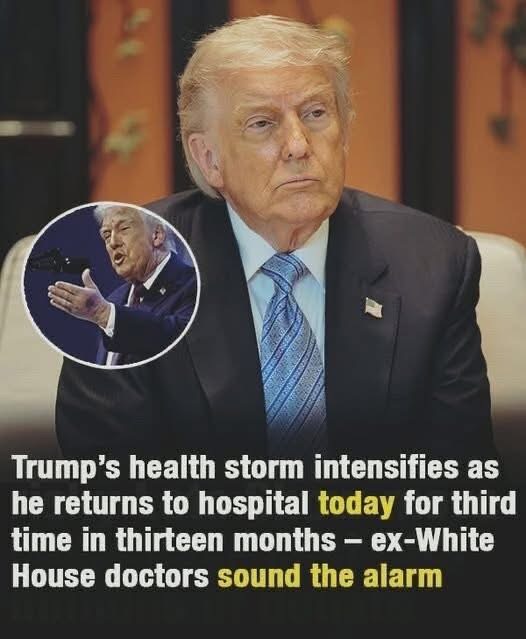
  • Donald Trump expected to visit a military hospital today for a scheduled appointment

    Donald Trump expected to visit a military hospital today for a scheduled appointment

    Reports surrounding President Donald Trump’s scheduled visit to Walter Reed National Military Medical Center on Tuesday, May 26, have drawn renewed public attention to discussions about presidential health monitoring. The White House has not released detailed information about the purpose of the visit. The announcement has fueled ongoing public interest in the health of senior political leaders, particularly as President Trump approaches 80 years of age.
    In political circles and online discussions, age and physical stamina are frequently debated topics. In recent months, observers and commentators have pointed to visible signs such as occasional bruising on the back of the president’s hand. These observations have circulated widely on social media, leading to increased speculation about possible causes.

    However, the White House physician has previously addressed such concerns, stating that minor bruising can be consistent with routine factors such as frequent handshaking and the use of medications like aspirin, which may affect blood clotting. President Trump has also spoken publicly about his use of aspirin, suggesting it is part of his personal health routine. He has described it as something he believes supports cardiovascular health, though medical professionals typically recommend individualized guidance.

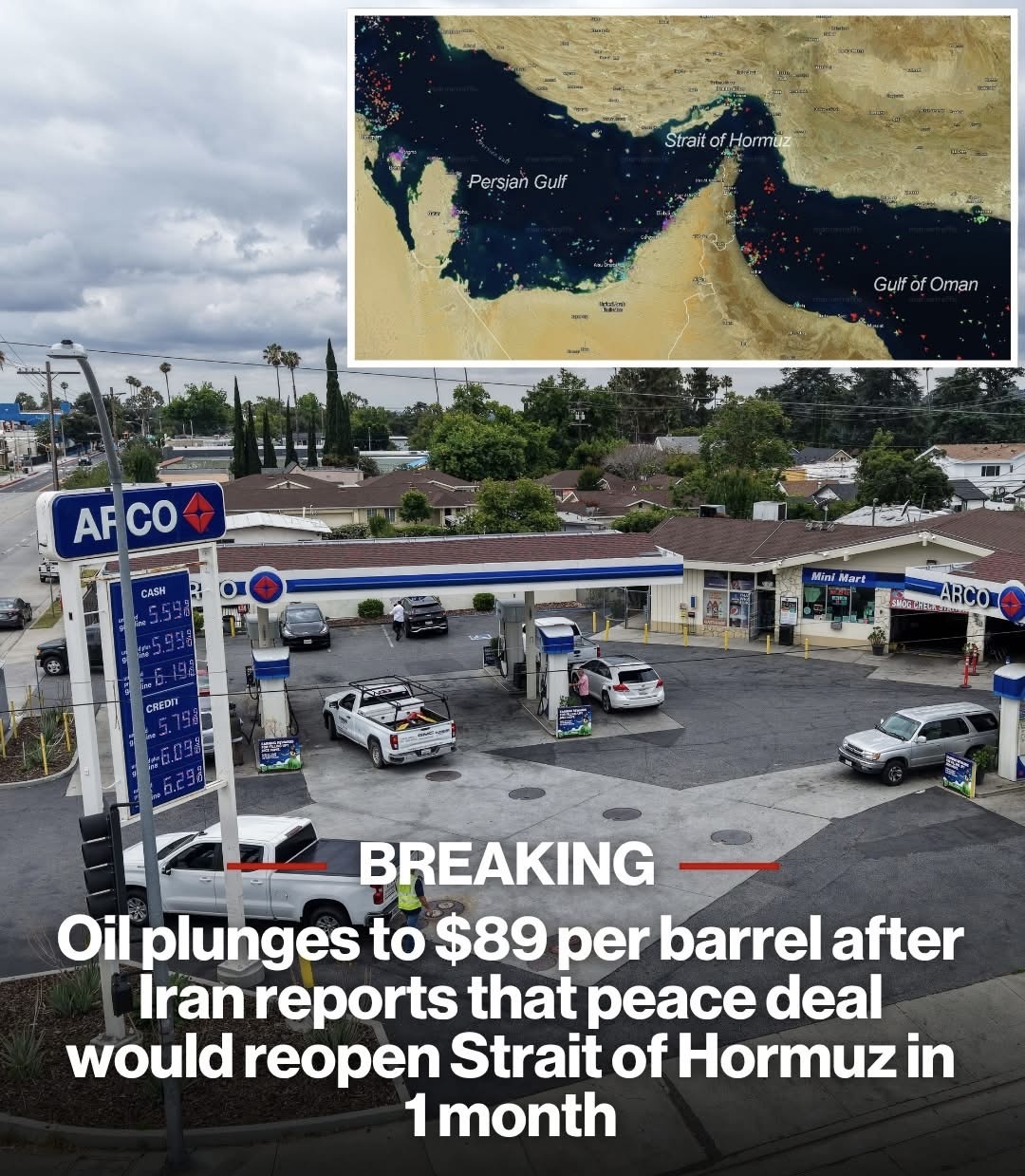
  • BUSINESS Oil plunges to $89 per barrel after Iran reports that peace deal would reopen Strait of Hormuz in 1 month

    BUSINESS Oil plunges to $89 per barrel after Iran reports that peace deal would reopen Strait of Hormuz in 1 month

    Oil prices plunged to $89 a barrel Wednesday following reports that the proposed Iran-US peace deal would see the Strait of Hormuz being reopened in just one month.

    Crude futures were at more than $107 a barrel just over a week ago.

    The new fall, a 5.6% drop, came as the market held out hopes for a peace deal to bring the four-month conflict to an end.